Cooling Sized for Your Actual Space
AC Installation in Lubbock for new construction, system upgrades, or homes with improperly sized equipment
Installing an air conditioner correctly means calculating the heat load your home generates from sun exposure, insulation levels, window area, and occupancy, then selecting equipment that matches that load without oversizing or undersizing. Oversized units cycle on and off too frequently, never running long enough to remove humidity, while undersized systems run continuously without reaching the set temperature during Lubbock's hottest months. Leak-Tek Plumbing, Heating & Air performs load calculations before recommending a specific tonnage and efficiency rating, ensuring the installed system cools your home effectively without wasting energy or creating comfort problems.
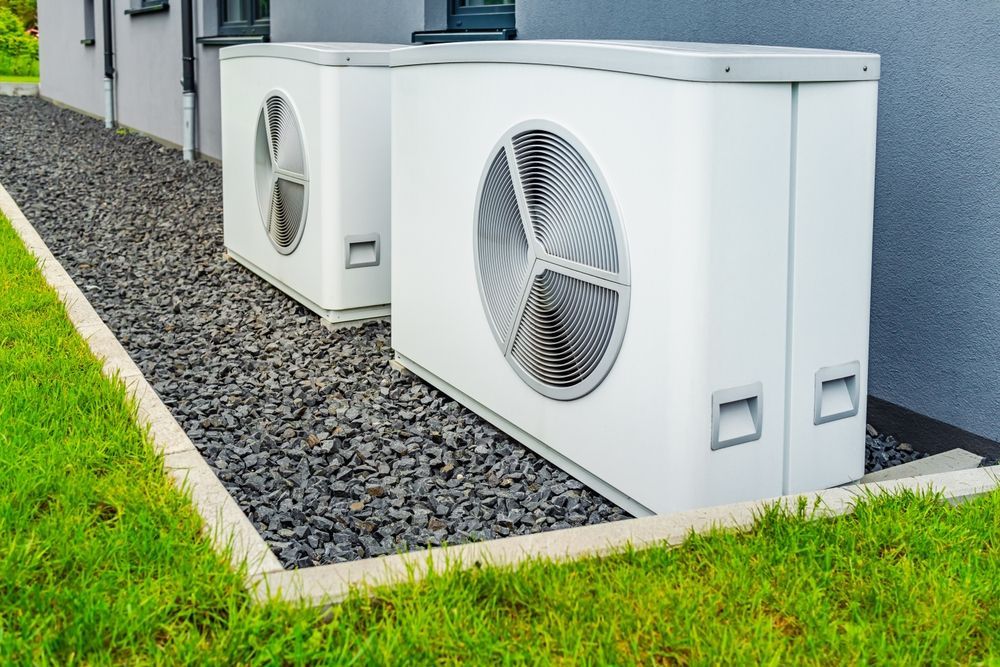
The installation process includes mounting the outdoor condenser on a level pad that prevents vibration and allows airflow on all sides, running refrigerant lines through walls with proper insulation to prevent condensation, and connecting the indoor air handler or furnace to ductwork with sealed transitions that don't leak conditioned air. Electrical connections are sized to handle the compressor's starting amperage, and the thermostat is wired to communicate with the system's control board for accurate temperature management and efficient operation.
Schedule a consultation to review your home's cooling requirements and discuss system options that fit your layout and energy efficiency goals.
What Correct Installation Requires
Technicians use Manual J calculations to account for square footage, ceiling height, insulation R-values, window orientation, and internal heat sources like appliances and lighting. This data determines the British Thermal Units per hour the system must remove to maintain comfortable temperatures, which translates into the correct tonnage for your home. The outdoor unit is positioned where it has clearance for airflow and service access, avoiding locations where reflected heat from walls or fencing raises the ambient temperature around the condenser and reduces efficiency.
Once installation is complete, the system cools your home evenly without leaving certain rooms warmer than others or creating cold spots near vents. You'll notice quieter operation compared to older or improperly installed equipment, and the system reaches the thermostat setting without running constantly or cycling on and off every few minutes. Energy bills reflect the efficiency rating of the installed equipment, and you avoid the premature wear that happens when systems work harder than necessary because they're the wrong size.
Proper installation includes testing refrigerant charge with gauges after the lines are connected, verifying airflow across the evaporator coil matches the system's specifications, and confirming the condensate drain slopes correctly to prevent water backup. The thermostat is calibrated to the system's capabilities, and homeowners receive instructions on filter replacement schedules and basic maintenance tasks that keep the warranty valid.
Questions Before Starting Your Project
Homeowners considering new AC installation want to understand how sizing works, what affects installation costs, and what features to prioritize. These questions come up frequently during planning conversations.
How does a load calculation differ from just matching the old system's tonnage?
A load calculation measures your home's actual heat gain and loss, accounting for changes like added insulation, new windows, or updated roofing that affect cooling needs. Simply replacing the old tonnage assumes the original system was sized correctly, which often isn't the case, especially in older homes where equipment was chosen by rough square footage estimates.
What happens if the system is installed but the ductwork doesn't match its capacity?
Undersized ducts restrict airflow and reduce efficiency, causing the system to work harder and cool less effectively. The installation may include duct modifications if the existing ductwork can't handle the airflow volume the new system requires, ensuring balanced distribution to all rooms.
Can you install a high-efficiency system in a home with an older electrical panel?
High-efficiency systems often draw less amperage than older models despite having higher SEER ratings, but the electrical panel must still have the capacity to handle the load. If the panel is outdated or lacks available breaker slots, an electrical upgrade may be needed before installation proceeds.
What's included in the installation cost beyond the equipment itself?
Installation typically includes the outdoor condenser, indoor coil or air handler, refrigerant line set, electrical connections, condensate drain, thermostat wiring, and startup testing. Additional costs may apply for ductwork modifications, electrical panel upgrades, or structural changes needed to accommodate the new equipment.
Why do some installations in Lubbock include upgraded condenser pads or sun shading?
Upgraded pads keep the outdoor unit level on shifting soil and reduce vibration noise, while sun shading or strategic placement reduces the ambient temperature around the condenser, helping it operate more efficiently during peak afternoon heat when outdoor temperatures exceed 100 degrees.
Leak-Tek Plumbing, Heating & Air handles the full installation process from load calculation through final testing, ensuring your new system operates efficiently and cools your home reliably from day one. Arrange an evaluation to discuss your cooling needs and receive a detailed proposal that includes equipment specifications, installation steps, and expected performance outcomes.