Routine Service That Prevents Summer Failures
AC Maintenance & Tune-Ups in Lubbock & Levelland, TX Areas for systems that need seasonal preparation before high-temperature operation
Air conditioning systems that sit unused through winter accumulate dust in the blower assembly, develop refrigerant leaks at connection points, and experience capacitor wear that leads to compressor failure once temperatures climb above 95 degrees. Regular maintenance catches these issues before the system shuts down during peak cooling demand, and Leak-Tek Plumbing, Heating & Air provides tune-ups in Lubbock that verify refrigerant charge, clean condenser coils, and test electrical components under load to confirm everything operates correctly when you need it most.
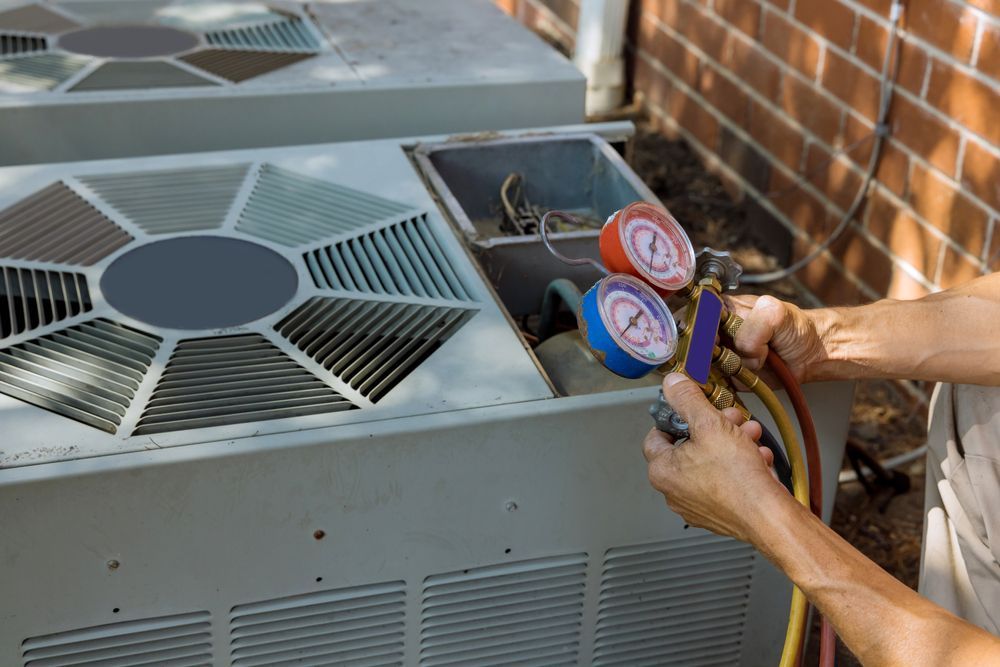
The tune-up process includes measuring airflow across the evaporator coil to confirm the blower motor moves the correct volume, checking refrigerant pressures to verify the charge matches manufacturer specifications, and inspecting electrical connections for signs of overheating or corrosion that cause intermittent operation. In Lubbock's dusty climate, condenser coils accumulate fine debris that blocks airflow and forces the compressor to work harder, so cleaning the outdoor unit during maintenance directly improves cooling efficiency and reduces energy consumption.
Arrange a pre-season tune-up in early spring to address any issues before sustained high temperatures stress the system.
What Proper Maintenance Includes
Technicians measure the temperature drop across the evaporator coil to verify the system removes enough heat from the air passing through it, typically looking for a 15- to 20-degree difference between supply and return air. Refrigerant pressures are checked at the service ports and compared to the target range for the outdoor temperature at the time of testing, ensuring the system isn't undercharged or overcharged. Capacitors that start the compressor and blower motor are tested with a multimeter to confirm they still hold the correct microfarad rating, because weak capacitors cause motors to overheat and fail.
After the tune-up, the system runs more quietly because clean blower wheels reduce vibration and balanced airflow eliminates whistling sounds from restricted ducts. You'll notice the house cools faster and the system doesn't run as long to reach the thermostat setting, which translates directly into lower energy bills throughout summer. Minor issues like a failing capacitor or a small refrigerant leak are repaired during the visit, so you avoid emergency breakdowns when outdoor temperatures peak.
The service includes replacing the air filter if it's disposable, lubricating motor bearings if the unit has serviceable components, and tightening electrical connections that loosen from vibration over time. Drain lines are checked for clogs that cause water backup, and the condensate pan is inspected for algae growth that blocks drainage and triggers safety shutoffs.
Common Questions About This Service
Property owners often ask how often maintenance should happen and what gets checked during a standard tune-up. These answers clarify what the service involves and why it matters for Lubbock cooling systems.
How often does an air conditioner need maintenance?
Annual service before the cooling season starts is the standard recommendation, because most wear happens during months of continuous operation and components degrade even when the system sits idle. Systems older than ten years or those running in dusty environments benefit from mid-season checks as well.
What causes refrigerant levels to drop between tune-ups?
Refrigerant doesn't get consumed during operation, so a drop indicates a leak at a connection point, a crack in the coil, or a failing valve. Leaks develop from vibration, corrosion, or mechanical stress, and adding refrigerant without fixing the leak means the system will lose charge again and underperform.
Why does the condenser coil need cleaning in Lubbock specifically?
West Texas wind carries fine dust and plant material that coats the condenser fins, restricting airflow through the coil. When airflow drops, the compressor can't reject heat efficiently, so it runs hotter and works harder to achieve the same cooling output, which increases energy use and accelerates wear.
What's checked during the electrical inspection?
Technicians measure voltage and amperage at the compressor and blower motor to confirm they're drawing the correct power, inspect wire insulation for cracking or heat damage, and test contactors and relays that control system operation. Connections are checked for tightness because loose wires create resistance and heat that can cause component failure.
Can maintenance actually prevent breakdowns during summer?
Yes, because most failures result from wear that shows up during testing before it causes a shutdown. A capacitor that tests weak gets replaced before it fails completely, and a refrigerant leak detected during a tune-up can be repaired before the charge drops low enough to damage the compressor.
Leak-Tek Plumbing, Heating & Air documents findings from each maintenance visit and provides a report on component condition, helping you plan for repairs or replacement before an emergency happens. Schedule your annual tune-up early to secure a convenient time before summer demand fills the schedule.