Systems That Actually Cool Effectively
AC Replacement in Lubbock for units that no longer maintain consistent temperatures or require frequent repairs
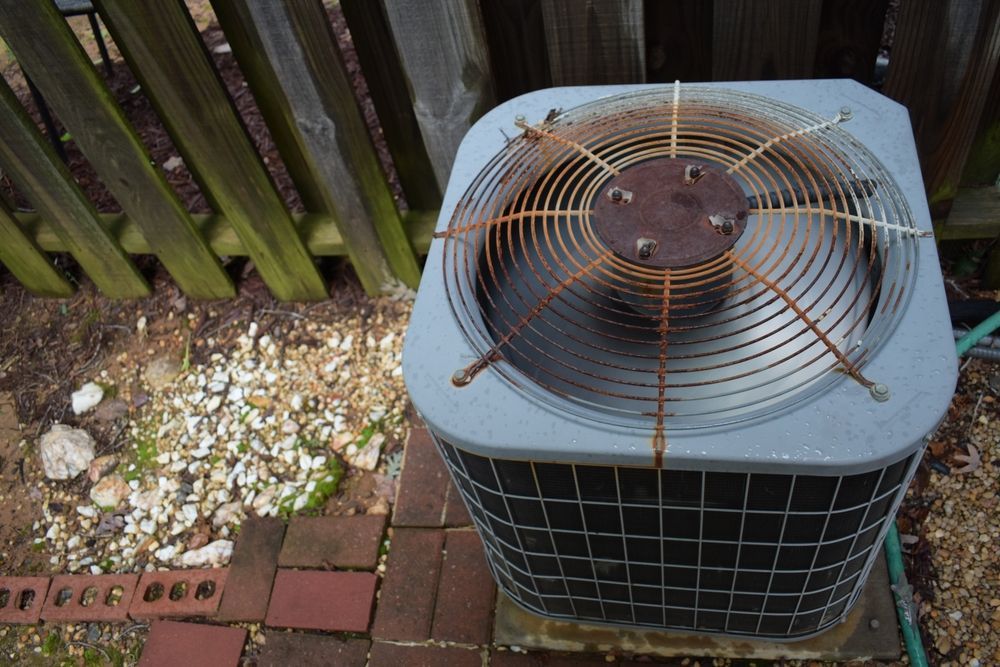
Air conditioners that cycle on and off constantly, blow weak airflow, or leave certain rooms warmer than others have usually reached the point where repairs cost more than the remaining value of the equipment. Leak-Tek Plumbing, Heating & Air replaces outdated systems with modern, high-efficiency models in Lubbock homes where the existing unit can't keep up with summer heat or runs continuously without reaching the set temperature. The old equipment is removed completely, and the new system is matched to your home's actual cooling load rather than simply swapping in the same size that was there before.
Proper replacement involves calculating heat gain from windows, insulation levels, and square footage to determine the correct tonnage, then installing a unit that operates efficiently under Lubbock's summer conditions without oversizing or undersizing. High-efficiency systems use variable-speed compressors that adjust output based on demand, so they run longer at lower speeds instead of cycling on and off repeatedly, which reduces energy consumption and maintains steadier indoor temperatures.
Request a detailed estimate that includes load calculation results and the expected efficiency rating of the recommended replacement unit.
How Modern Systems Operate Differently
New air conditioners use multi-stage or variable-speed compressors that ramp up gradually rather than starting at full capacity every time, reducing the electrical surge that happens with older single-stage units. The installation includes updated refrigerant lines, a new condenser pad to keep the outdoor unit level, and electrical connections sized for the specific model being installed. You'll hear the system run more quietly because modern compressors and fan motors operate at lower sound levels, and the condenser sits on vibration-dampening mounts that reduce noise transmission.
Once the new system runs, rooms cool evenly without the temperature swings that happen when oversized units shut off too quickly. Your energy bills drop because the system doesn't waste power cycling on and off or running at full capacity when only partial cooling is needed. The thermostat reaches the set temperature and holds it without constant adjustments, and you stop dealing with the recurring repair costs that come with aging equipment.
Modern systems include features like two-stage cooling, which runs at a lower speed for mild days and ramps up when temperatures climb, and improved air filtration that captures more dust and allergens than older units. The warranty on new equipment covers both parts and labor for a set period, and the efficiency gains typically offset the replacement cost through lower utility bills within several years of operation.
What Homeowners Usually Ask
Replacing an air conditioner involves decisions about system size, efficiency ratings, and what's included in the installation. These questions address the most common concerns during the replacement process.
How do you determine the correct size for a replacement system?
A load calculation accounts for your home's insulation, window placement, ceiling height, and typical occupancy to determine the cooling capacity needed. Installing a unit that's too large causes short cycling and humidity problems, while an undersized system runs continuously without reaching the set temperature.
What's the difference between a 14 SEER and an 18 SEER system?
The Seasonal Energy Efficiency Ratio measures how much cooling the unit produces per watt of electricity consumed. Higher SEER ratings mean lower operating costs, and the efficiency difference becomes more noticeable during Lubbock summers when the system runs for extended periods in high heat.
Does the replacement include new refrigerant lines and electrical connections?
Yes, the installation typically involves replacing the refrigerant lines if the old ones show wear or don't match the new system's requirements, and updating electrical connections to handle the specific amperage and voltage the new unit draws.
Can you replace just the outdoor unit and keep the indoor coil?
Mixing old and new components often reduces efficiency and voids the manufacturer's warranty, because the indoor coil was designed to work with the refrigerant and operating pressures of the old system. Replacing both ensures the system operates as engineered.
What happens to the old equipment after removal?
The old unit is disconnected, refrigerant is recovered according to EPA regulations, and the equipment is removed from the property. Refrigerant recovery prevents environmental release, and metal components are typically recycled through HVAC supply channels.
Leak-Tek Plumbing, Heating & Air handles the complete replacement process, from removing the old system to testing airflow and refrigerant charge on the new installation, ensuring your home cools efficiently from the first day of operation. Schedule a property evaluation to review your current system's performance and discuss replacement options that match your cooling requirements and budget.