Diagnosis That Identifies the Actual Problem
AC Repair in Lubbock for systems that stop cooling, cycle constantly, or fail to start
When an air conditioner shuts down on a 105-degree afternoon, the cause is usually a failed capacitor, a tripped breaker from electrical overload, or low refrigerant from a leak that finally dropped the charge below operating range. Leak-Tek Plumbing, Heating & Air diagnoses these failures quickly by testing components under operating conditions rather than guessing at parts to replace, and repairs are completed using the correct replacement parts for your specific make and model. You'll have cooling restored as soon as the failed component is replaced and the system is tested to confirm it runs correctly without secondary issues.
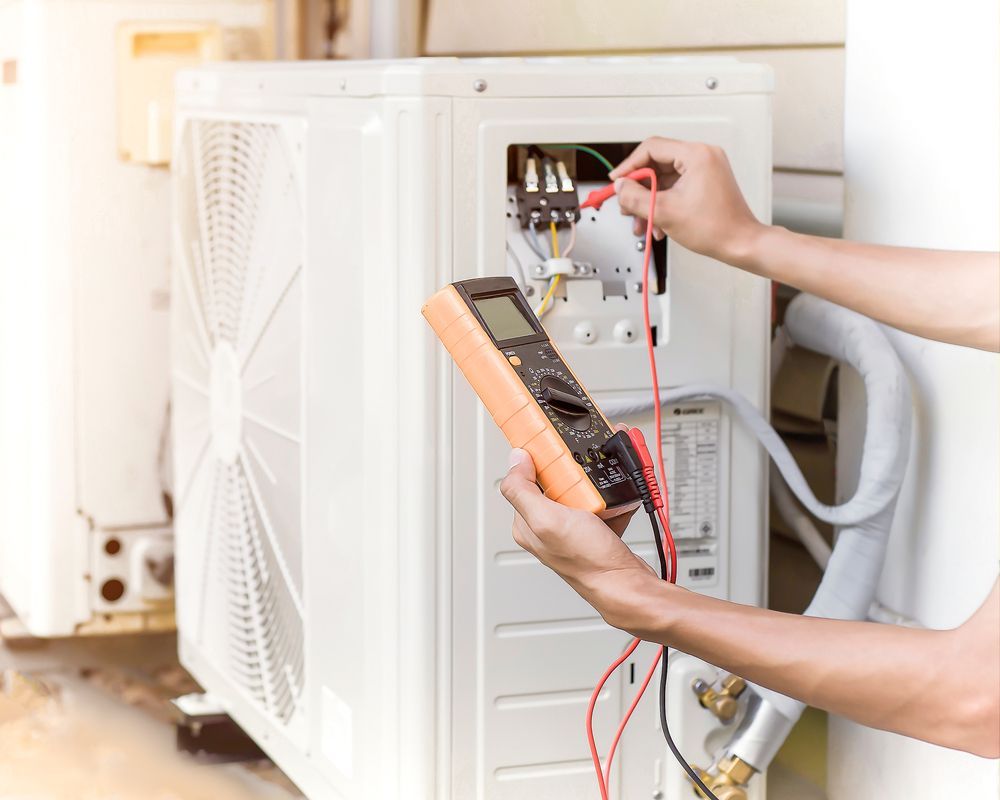
Accurate diagnosis involves measuring voltage at the compressor, checking refrigerant pressures at both the high and low sides, and testing capacitors with a multimeter to see if they're providing the microfarads needed to start motors. In Lubbock, many service calls during peak summer involve capacitors that fail from prolonged high-temperature operation, because the outdoor unit sits in direct sun and heat accelerates the breakdown of the capacitor's internal components. Replacing the capacitor restores normal compressor function without the expense of replacing parts that weren't actually defective.
Request an inspection that includes testing all electrical and refrigerant system components to pinpoint the failure before any repair work begins.
What Gets Resolved During Repairs
Technicians use gauges to measure refrigerant pressures while the system runs, comparing those readings to the manufacturer's specifications for the current outdoor temperature. If pressures are low, a leak detection process identifies where refrigerant is escaping—usually at brazed joints, valve cores, or coil connections—and the leak is repaired before refrigerant is added. Electrical failures are traced by measuring voltage and continuity at each connection point, isolating whether the problem is a defective component, a wiring issue, or a control board failure.
Once the repair is finished, the system starts reliably and cools to the thermostat setting without the constant cycling or weak airflow that indicated a problem. Rooms reach comfortable temperatures within the expected time frame, and you stop hearing unusual sounds like clicking relays, humming motors, or hissing refrigerant leaks. The system runs as it did when it was new, and energy consumption returns to normal because the compressor and blower motor no longer strain against failing components.
Repairs focus on fixing the specific failure without replacing components that still function correctly, and replacement parts are matched to the original equipment specifications to maintain system performance. Some repairs include warranty coverage on the parts and labor, and the work is tested under full operating load to confirm the issue is completely resolved before the technician leaves.
Answers to Frequent Service Questions
Breakdowns raise immediate concerns about cost, timeline, and whether repair makes sense compared to replacement. These questions address what homeowners need to know when their system fails.
What causes an air conditioner to stop working suddenly?
Common failures include a tripped breaker from electrical overload, a blown fuse on the control board, a failed capacitor that prevents the compressor from starting, or a refrigerant leak that drops the charge below the minimum needed for operation. Each of these produces different symptoms that guide the diagnostic process.
How do you know if the problem is electrical or refrigerant-related?
Electrical issues usually prevent the system from starting or cause it to shut off after a few seconds, while refrigerant problems let the system run but produce little or no cooling. Measuring voltage at the compressor and checking refrigerant pressures with gauges distinguishes between the two.
Can a refrigerant leak be repaired, or does it require replacing the coil?
Small leaks at accessible connections can be repaired by re-brazing the joint or replacing a valve core, but leaks inside the coil itself usually require coil replacement because the damaged section can't be reached without cutting into the coil and compromising its integrity.
Why do some repairs require ordering parts instead of fixing the problem the same day?
Specific components like control boards, reversing valves, or motor modules are matched to individual models and aren't stocked universally. If testing identifies a failed part that's not on the truck, it's ordered from the supplier and installed once it arrives, typically within one to two business days.
When does it make more sense to replace the system instead of repairing it?
If the repair cost approaches half the price of a new system, and the equipment is over ten years old with other components showing wear, replacement usually provides better long-term value. Newer systems operate more efficiently and come with warranties that cover future failures.
Leak-Tek Plumbing, Heating & Air services all major AC brands and models, carrying common replacement parts on fully stocked service trucks to complete most repairs during the first visit. Contact us to schedule a diagnostic service call when your system isn't performing correctly, and we'll provide a clear explanation of the problem and the cost to fix it before starting any work.